
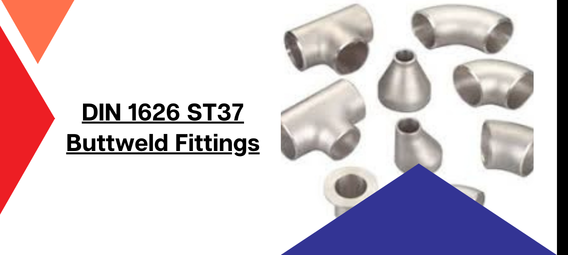
Carbon steel in industrial piping
Carbon steel is widely used as a base of fluid transportation systems in various industries throughout the world. In low-pressure environments, selecting the right material is critical for safety and cost control. Engineers often select ST37 carbon steel, as it offers a good balance of strength, and flexibility. This specific grade provides the dependability required in non-critical systems without the high cost of specialised alloys. Whether the project involves water lines, or gas distribution, ST37 pipes and components preserve structural integrity under high pressure. Using standardised parts such as flanges, and DIN 1626 ST37 buttweld fittings contributes to a leak-free, easy-to-assemble system. This blog explores why ST37 is the preferred choice for low-pressure piping, covering its mechanical properties, cost benefits, and common industrial applications.
Understanding ST37 Carbon Steel – Composition and Standards
ST37 is a standard Low-carbon steel grade governed by the German DIN 17100 and DIN 1626 specifications. Its chemical makeup focuses on a low carbon content, usually around 0.17%, which gives it excellent weldability and machinability. This material also contains manganese to increase toughness and silicon to prevent oxidation during the melting process. Unlike high-strength steels, which can be brittle and difficult to work with, ST37 retains considerable ductility. This makes it much easier to shape and join on a busy construction site. While newer grades offer higher tensile limits, ST37 remains a staple in modern infrastructure because it meets the essential safety requirements for low-pressure service while staying highly workable for fabricators.
Mechanical Properties That Suit Low-Pressure Systems
When selecting a piping material, consider how it withstands physical stress and assembly.
- Moderate tensile strength and ductility
ST37 provides enough strength to hold internal pressure while remaining flexible enough to bend without snapping. This ductility is vital when pipes need slight adjustments during installation.
- Good weldability and formability
Because of the low carbon levels, these pipes are easy to weld using standard methods. Welders can achieve strong, clean seams without the risk of the metal becoming too hard or brittle.
- Resistance to cracking under operational loads
The material absorbs vibrations and minor shifts in the ground or building structure. This prevents small cracks from forming that could lead to leaks over time.
- Suitability for stable and controlled pressure environments
ST37 performs consistently in systems with no pressure spikes or excessive highs. It can handle constant flow rates without showing symptoms of fatigue, or deformation.
Corrosion Behaviour and Surface Protection Options
While carbon steel is strong, it does react with oxygen, and moisture, requiring smart surface management.
- Natural corrosion tendencies of carbon steel
Without protection, ST37 will rust when exposed to water or humid air. This oxidation can thin the pipe walls if it is not addressed during the design phase.
- Protective measures: coatings, painting, galvanisation
Most teams apply a layer of zinc through galvanisation or use industrial epoxy paints. These barriers stop moisture from reaching the steel and significantly extend the life of the system.
- Maintenance considerations in industrial environments
Regular inspections help spot areas where coatings might have chipped. Touching up these spots prevents localised pitting and keeps the entire line intact.
- Impact on lifespan and operational safety
A well-protected ST37 pipe can last for decades. Proper surface treatment ensures the system remains safe for workers and the surrounding environment.
Cost-Effectiveness and Availability Advantages
Budget often dictates material choice, and ST37 is one of the most economical options on the market.
- Lower material and fabrication costs
The raw materials for ST37 are abundant and easy to process. This ensures the initial purchase price is significantly more affordable than stainless steel, or complicated alloys.
- Ease of sourcing and manufacturing
Most steel mills produce ST37 regularly, which means lead times are short. Finding ST37 pipes in various sizes is rarely difficult for procurement teams.
- Reduced installation and maintenance expenses
Since the material is easy to cut and weld, labour costs stay down. Standard tools and common welding rods are all that is needed for a high-quality build.
- Popularity in large-scale industrial projects
When a project requires miles of piping, the price difference adds up quickly. ST37 allows companies to finish large jobs within budget without losing performance.
Applications of ST37 in Low-Pressure Piping Systems
ST37 is a highly beneficial material for civil and industrial utility lines. It is the best material for HVAC cooling loops, and water distribution networks where the temperature remains mild. General process lines in factories often use this steel to move non-corrosive fluids or compressed air. Beyond just carrying liquids, these pipes serve structural roles in pipeline supports and frames. To ensure the system stays closed and secure, engineers integrate DIN 1626 ST37 buttweld fittings. These fittings provide smooth flow transitions, and strong connections that are ideally matched to the pipe’s qualities. Whether it’s a municipal water plant or a factory floor, this material provides a solid base for critical services.
Comparison with Alternative Materials
When comparing ST37 to stainless steel, the main trade-off is cost versus corrosion resistance. Stainless steel is better for harsh chemicals, but it costs significantly more and is harder to weld. Alloy steels offer more strength for high-heat steam lines, yet they are overkill for basic water or air transport. ST37 fills the gap where high-end performance isn’t needed, but plastic piping isn’t strong enough. In situations where the fluid is non-reactive and the pressure is low, the extra cost of exotic metals doesn’t provide enough benefit to justify the expense.
| Feature | ST37 Carbon Steel | Stainless Steel (304/316) |
| Initial Cost | Low | High |
| Weldability | Excellent | Moderate |
| Corrosion Resistance | Requires Coating | High (Natural) |
| Best Use | Low-Pressure Water/Air | Chemical/Food Grade |
Key Selection Considerations for Engineers and Buyers
Buying the right steel involves more than just checking a price list.
- Evaluating environmental exposure
Consider whether the pipes will be buried, submerged, or left out in the rain. This determines what kind of protective coating or galvanisation is needed.
- Pressure and temperature requirements
Always verify that the operating conditions stay within the DIN 1626 limits. ST37 is great for low-pressure but should not be used for high-pressure steam.
- Compliance with industry standards
Check that the materials meet the specific DIN or ASTM codes required by the local building authority. Proper documentation prevents legal and safety headaches.
- Supplier quality and certification checks
Buy only from sellers who provide you with mill test certificates. This shows that the Low-carbon steel with the proper chemical composition meets all the required quality, and certification inspections according to international standards.
Why ST37 Continues to Be a Practical Choice
We at Rajveer Stainless and Alloys prioritise efficiency, and durability in every piping component that we provide. Our ST37 product remains a top choice, as it is affordable with reliable mechanical performance. Its excellent weldability and machinability make it a preferred option for contractors who need to get the job done right and on time. Using high-quality ST37 pipes and DIN 1626 ST37 buttweld fittings helps to create a system that is easy to maintain and built to last. For low-pressure infrastructure, this material provides the best value without compromising on the safety of the fluid transport network. Reach out to our team today to discuss your project requirements.


