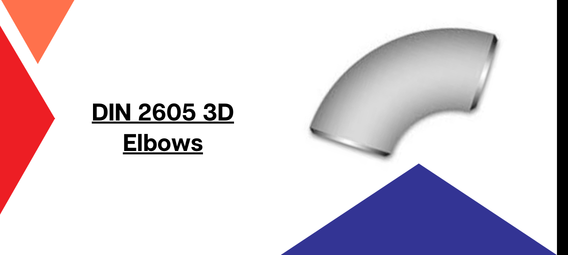
Piping systems are important components of the industrial world. They transport the chemicals, water, and gases that keep our modern lives moving. When we design these systems, we focus on efficiency. When fluid changes direction inside a pipe, you get turbulence, pressure loss, and wasted energy. These problems add up fast across kilometres of pipeline. Long radius elbows exist to tackle this head-on. Their gradual curve keeps flow smooth and predictable. Among the most trusted specifications in the industry, DIN 2605 3D Elbows set a benchmark for dimensional accuracy and consistent performance across demanding applications. They allow for a smoother transition than standard fittings. This keeps the flow steady and the system healthy.
Understanding Long-Radius Elbows
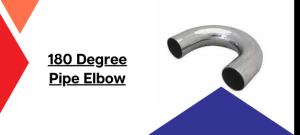
A long-radius elbow is a fitting that changes the direction of a pipeline. The radius of the curve is what makes it “long.” Usually, the radius is 1.5 times the nominal diameter of the pipe. This is longer than a short-radius elbow, where the radius matches the diameter. The LR elbow’s unique design solves common piping challenges by creating a wider arc. This wider arc allows the fluid inside to move with less resistance. We manufacture these to strict dimensions to ensure they fit perfectly with existing pipes. The material used is often stainless steel or alloy, depending on what the pipe will carry. These components follow global standards to ensure they work the same way every time you install them.
Design Standards and Specifications
Standardisation makes the industrial world go round. Without it, parts from different manufacturers would never fit together. We often look to the German standard, DIN 2605, when we want precision. Specifically, DIN 2605 3D Elbows are known in European and international projects. The “3D” refers to the bend radius being roughly three times the diameter. This is an even gentler curve than the standard 1.5D long radius elbow. These standards dictate the wall thickness, the outer diameter, and the tolerances allowed during manufacturing. When a part meets these specs, you know it can handle the pressure. Accuracy in these dimensions prevents leaks. It also ensures that the welding process goes smoothly. Reliability is the goal.
Flow Dynamics and Reduced Pressure Loss
Physics dictates how a liquid moves through a tube. When fluid hits a sharp turn, it crashes against the outer wall. This causes the fluid to swirl and spin in ways that don’t help it move forward. We call this turbulence. It creates friction and heat. Long radius elbows offer a benefit in reducing pressure drop because the curve is gradual. The fluid follows the wall instead of slamming into it. This keeps the flow laminar, or smooth. Lower pressure drop means the pumps in the system don’t have to work as hard. They use less electricity. Over a year, these energy savings are massive. The smooth flow also stops the pipe walls from wearing down too quickly. It makes the whole system last much longer than one with sharp bends.
Structural Benefits and Mechanical Reliability
Piping systems move and vibrate. Heat makes them expand, and cold makes them shrink. These movements put stress on the joints. A sharp elbow concentrates all that stress into a tiny area. This is where cracks start. Long radius elbows spread that stress across a larger surface. This makes the entire pipeline more stable. They handle vibrations better than short turns do. In high-pressure environments, this reliability is a safety requirement. We see these elbows used where temperatures reach extreme levels. The mechanical strength of a DIN 2605 3D elbow is superior. It resists the “hammering” effect that happens when valves open or close quickly. Durability is built into the shape.
Industrial Applications of Long-Radius Elbows
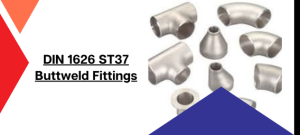
Every major industry uses these fittings. In the oil and gas sector, they move crude and refined products over long distances. Chemical processing plants need them to handle corrosive liquids without creating dangerous pressure pockets. Power plants use them in steam lines where the velocity is incredibly high. They enable fluid flow around corners in water treatment plants and HVAC systems too. Anywhere that a steady, predictable flow is needed, you will find these elbows. They are often integrated with other fittings like tees and reducers. Complex pipeline layouts in tight spaces rely on the predictable nature of long-radius bends to keep everything moving.
Installation and Maintenance Advantages
Putting a piping system together is hard work. Long-radius elbows make it slightly easier. Their longer length gives the welder more room to work. They align more easily with the rest of the pipe run. Because there is less turbulence inside, the metal doesn’t thin out as fast. This means you don’t have to replace them as often as other fittings. Maintenance crews spend less time fixing leaks or checking for wear. Compatible parts make the whole process faster. We find that systems using these elbows have fewer “hot spots” where erosion occurs. This leads to a cost-effective operation over many decades.
Factors to Consider When Selecting Long-Radius Elbows
To make sure you choose a good elbow, the material must match what you are carrying. If you are moving acidic chemicals, you need high-grade stainless steel. Operating pressure is another big factor. A thin-walled elbow will burst under high pressure. You must check the certifications and standards compliance. We always recommend looking at the track record of the supplier. Quality assurance is a necessity. The temperature of the fluid will also dictate what kind of alloy you should use. If the elbow cannot handle the heat, it will fail.
Maximising System Performance with Long Radius Elbows
At Rajveer Stainless and Alloys, we focus on providing high-precision solutions to help your business stay competitive. Choosing the right elbow changes the energy profile of your entire factory. These components provide durability and better flow. They reduce the stress on your pumps and your pipes. Using standard-compliant parts like DIN 2605 3D Elbows ensures that your system stays reliable for a long time. It is about making the right choice at the design stage. We believe that quality fittings are the foundation of a successful industrial project. Our team is ready to assist you with material selection and technical support for your next project.